Return to Uzone News Portal


One great example of effective business communication through social media is Twitter. In today’s fast-paced digital landscape, social media has become an essential tool for modern businesses, enabling them to easily exchange information and unlock new opportunities for sustainable growth and success. It is a versatile platform that anyone, regardless of age or technical background, can use to engage, connect, and drive tangible business results. By leveraging these digital channels, brands can transcend geographical boundaries and build a global presence.
Examples of Business Communication Through Social Media
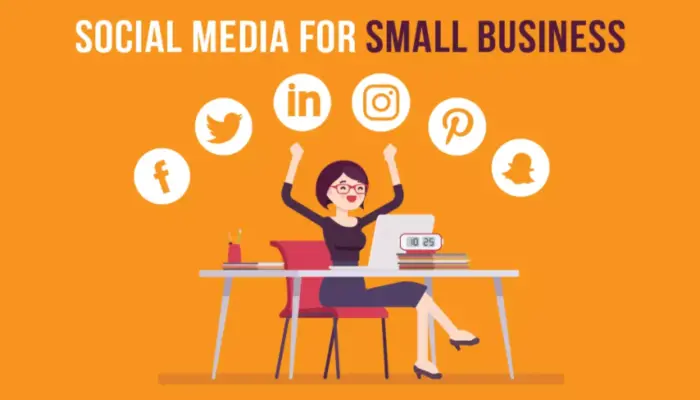
Effective communication is the backbone of any successful business, and it can take many forms—both verbal and non-verbal.
Effective communication is the backbone of any successful business, and it can take many diverse forms—both verbal and non-verbal. In today’s digital time, mastering business communication while leveraging the power of technology gives entrepreneurs a significant competitive edge. Here are some powerful examples of how businesses use social media platforms, ranging from Instagram and Facebook to Twitter and TikTok, to connect with their audience and grow their brand.
Social Media Advertising for Small Businesses:
Social media advertising offers small businesses an affordable and highly effective way to reach a much wider audience than traditional offline advertisements. Platforms like Twitter, Facebook, YouTube, and TikTok allow businesses to connect with their specific target market with surgical precision. These tools help increase brand awareness and boost customer engagement at a fraction of the cost of traditional media. By using data-driven insights, even the smallest startup can compete with industry giants for consumer attention.
Managing Your Business Through Online Communities:
Social media enables businesses to build and nurture dedicated online communities, such as specialized Facebook groups or LinkedIn circles. These digital communities allow businesses to connect with their audience on a deeper level, strengthen professional relationships, and foster long-term brand loyalty in a more authentic and engaging way. By acting as a moderator and contributor within these groups, business owners can position themselves as thought leaders while gaining direct feedback from their most loyal customers.

Building Strong Customer Connections on Social Media:
Active engagement is the key to digital success. Engaging directly with customers through public comments or private direct messages helps build a foundation of trust and lasting relationships. This transparent communication boosts consumer confidence and creates meaningful interactions that keep them coming back to your brand. When a business responds quickly and helpfully to a query online, it humanizes the brand and shows that the company genuinely cares about its individual customers.
Reaching Your Ideal Audience Through Social Media:
Social media platforms like Twitter and Facebook enable businesses to target their ideal audience with incredible efficiency. Through sophisticated algorithms, businesses can ensure their marketing dollars are spent wisely by reaching users based on their interests, behaviors, and demographics. This level of optimization is far more effective compared to traditional methods like billboards or print ads, where it is often difficult to measure the actual return on investment.
Leveraging Social Media for Business Research:
Social media simplifies modern business research by helping owners understand their audience’s preferences in real-time. It allows companies to track rapidly shifting industry trends, monitor competitor activities, and refine their marketing strategies to meet evolving customer needs and market demands. This “social listening” provides invaluable data that can be used to improve product development and customer service protocols.
Conclusion
This is just one way businesses can use platforms like Twitter, Facebook, YouTube, and more to communicate and stay ahead in an increasingly competitive market. By integrating social media into their core communication strategy, businesses can ensure they remain relevant, responsive, and ready for future challenges.
This is just one way businesses can use platforms like Twitter, Facebook, YouTube, and more to communicate and stay ahead in a competitive market.